


Whoa! I remember the first time I tried connecting a Solana NFT drop through a browser wallet—my palms were sweaty and my cursor hovered over thirty confirmation dialogs. Really? A simple mint felt like defusing a bomb. My instinct said: trust your wallet, not random prompts. Initially I thought browser extensions were the easy route; but then I ran into weird permissions that made me pause. Actually, wait—let me rephrase that: extensions are convenient, but convenience comes with trade-offs, especially in crypto.
Here’s the thing. Phantom is the de‑facto wallet people mention at meetups in San Francisco and on Discord channels. Uh huh—I’ve been biased by that crowd, no doubt. Still, after using Phantom’s extension for months (and somethin’ like a dozen test mints), you notice patterns: fast UX, clean address book, and integrated NFT browsing. On one hand it’s sleek; on the other, browser-based keys mean more exposure if your browser gets compromised. Hmm… that part bugs me.
So what should you look for when installing a Solana wallet extension? Short answer: provenance, permissions, and recovery. Long answer: check the publisher, confirm the extension ID when possible, read the permission prompts slowly, and never paste your seed phrase into a web form. I’ll walk through what I do, where I get nervous, and a practical way to test things before you go all in with a high‑value collection mint.
Quick checklist before you click “Add to Chrome”
Okay, so check this out—before installing any wallet extension, I run three quick checks. First, verify the extension source through multiple channels. Second, look at the permissions it asks for. Third, do a dry‑run with small amounts or test tokens. If you want a place to start, some folks use this downloader as a pointer: https://sites.google.com/cryptowalletextensionus.com/phantomwalletdownloadextension/ (I used it during a troubleshooting session, but I want to be upfront—I’m not 100% sure that every mirror or site is the definitive official source, so double‑check signatures and community channels).
Seriously? Permissions matter more than UI polish. Extensions often ask for “read and change data on websites you visit.” That sounds scary because it is scary… though actually, some of that is necessary for wallets to detect DApps. On my first install I clicked through without reading. Bad move. After that I started making a habit: check the permission prompt, then open the extension’s details page to see reviews and developer notes. If reviews are sparse and the dev name looks off, don’t install.
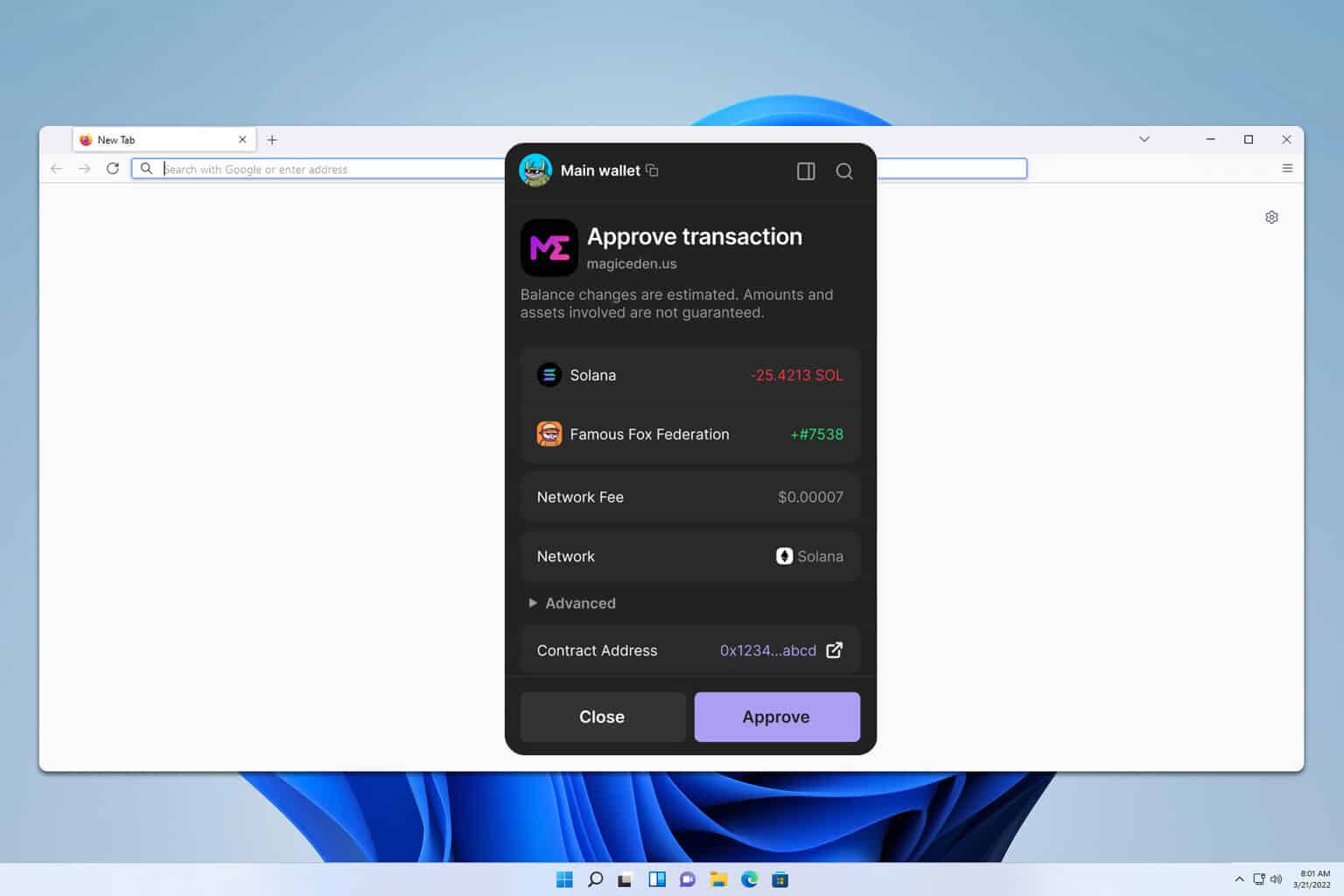
On a practical level—test it. Send a tiny amount of SOL or mint a throwaway NFT to learn the workflow. If something feels off during a transaction—like unexpected address changes, or requests to sign messages outside the DApp flow—stop immediately. My gut has saved me a few times: something felt off about a contract signature once and I canceled. That hesitation cost me nothing and probably prevented a mess.
Now the deeper part: recovery. Phantom gives you a seed phrase. Write it down on paper. Not your phone. Not in cloud notes. Seriously, use pen and paper and treat it like the keys to your house. If you lose that paper, the wallet is gone, and no, customer support won’t get it back for you. That reality is blunt and sometimes harsh, but it’s how self‑custodial wallets work.
Real-world quirks and tradeoffs
Once you use the extension daily, you notice the micro UX choices that matter—transaction previews, auto‑logout timers, and the way NFT images are displayed in the collect tab. I like Phantom’s attention to small touches; they reduce mistakes. But somethin’ else is true: browser profiles get cluttered. I keep a separate Chrome profile just for crypto stuff. It’s a little extra work, but it drastically lowers the noise from rogue extensions and trackers.
Initially I thought the mobile wallet would make the extension redundant. But actually, the extension is irreplaceable for many Web3 flows—wallet‑connect patterns aside. On many NFT drops, you need an extension to sign quickly. That speed is why people run hot wallets in a browser. On one hand it’s convenient and sometimes necessary though on the other hand it raises the stakes for being meticulous about security.
Also—small confession—I sometimes use public Wi‑Fi and then I cringe. Don’t. If you must, use a VPN and keep amounts small. Something as mundane as a flaky coffee shop hotspot can make a simple mint feel dramatic. My rule: never sign transactions from unfamiliar networks when the amounts are meaningful. I repeated that rule after making a rushed mistake once. Lesson learned.
How I test an extension safely (step‑by‑step)
Step 1: Verify the extension listing and developer name, and cross‑check on official channels. Step 2: Install to an isolated browser profile. Step 3: Create a new wallet and write the seed down offline. Step 4: Send a tiny test amount and perform a simple token transfer. Step 5: Try interacting with a trusted DApp and review signatures carefully. Step 6: If everything looks right, migrate small funds and monitor logs. This is not glamorous, but it saves headaches.
FAQ
Q: Is Phantom safe for NFTs?
A: Generally yes, for everyday NFT collecting Phantom is commonly used and integrates well with Solana marketplaces. But “safe” depends on your habits. Use separate profiles, check permissions, and never expose your recovery phrase. I’m biased toward caution—wallet safety is personal responsibility in crypto.
Q: What if I think I installed a fake extension?
A: Immediately remove it, move funds to a new wallet (create a fresh wallet on a clean device if needed), and monitor addresses. Report the extension to the browser store. Also warn communities where you discovered the fake; a little heads‑up can save others. I’m not 100% certain every scenario is covered here, but that course of action is what I’d start with.
Alright—final thought. Browser wallet extensions like Phantom unlock parts of the Solana ecosystem that feel effortless and fast, mostly in a good way. Yet the very convenience that makes them great also demands a higher baseline of personal security hygiene. My instinct is to recommend them with caveats: use them, but verify, test, and back up. And hey—if you get into the habit of treating your seed like cash in a lockbox, you’ll sleep better. Or at least I do… most nights.